
Endurance Running Break Book of the Fallen Slot Sport Event in UK
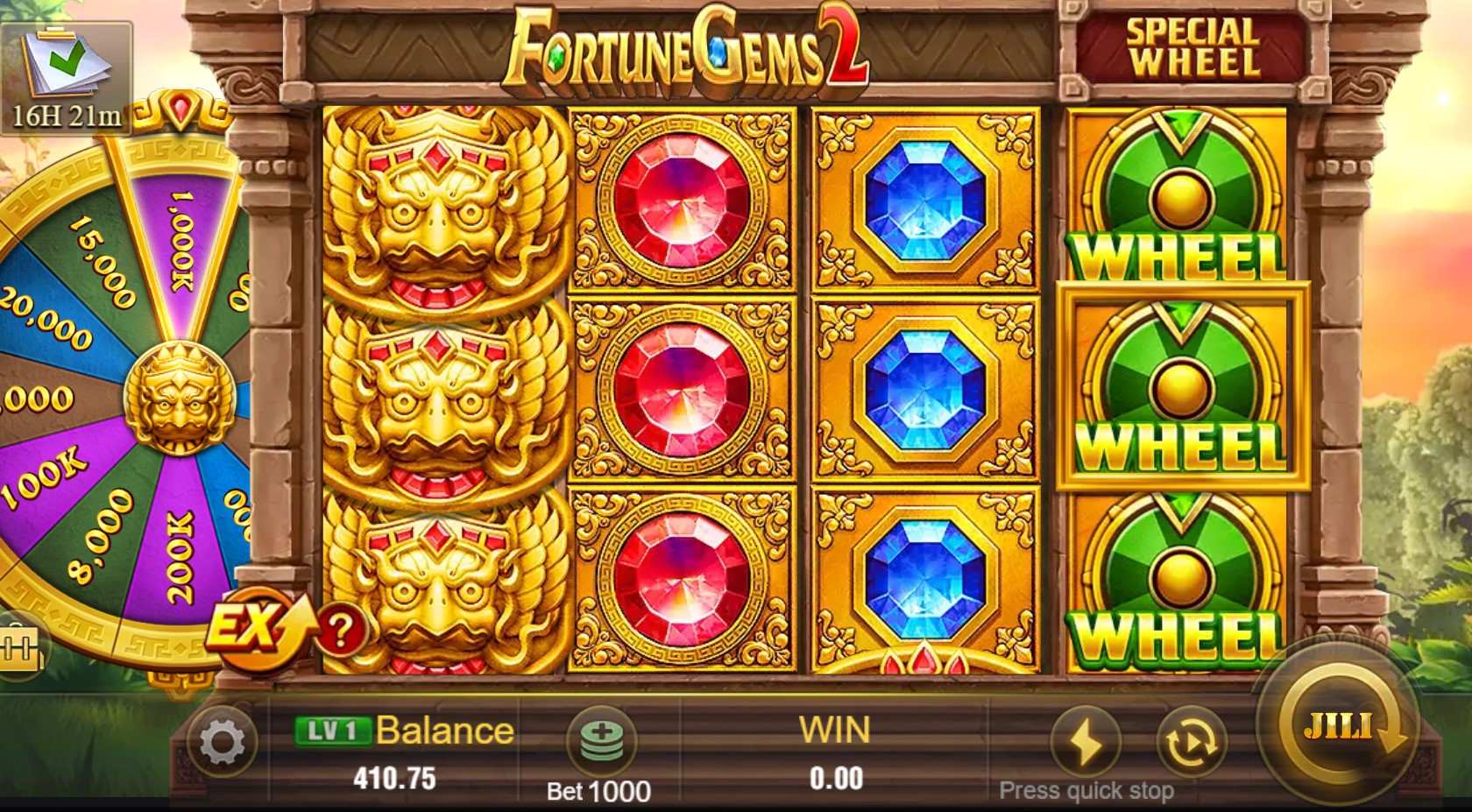
A innovative kind of event is preparing to launch in the United Kingdom slotbook.games. It combines the gruelling test of a marathon with the calculated play of an online slot game. The Marathon Running Break Book of the Fallen Slot Sport Event requires runners to integrate sessions of the Book of the Fallen slot straight into their training plans. This isn’t intended to be a distraction. Instead, organisers frame it as a systematic mental break, a way to refresh focus and aid cognitive recovery during strenuous physical preparation. The idea acknowledges that athletic performance is about more than just legs and lungs; the mind needs training too. These planned gaming pauses aim to explore how managed digital leisure affects a runner’s routine and mental state.
The Idea Behind the Marathon Running Break
The Marathon Gaming Break event grows from contemporary views on athletic recovery and mental fatigue. Running 26.2 miles is physically punishing and mentally repetitive, a path to burnout without careful management. This event proposes a answer: scheduled, short bouts with the Book of the Fallen slot game as a form of active mental break. The thinking goes that shifting your focus to a different sort of challenge—one featuring symbols, bonus games, and a light story—can provide the brain circuits tired from continuous physical effort a true pause. This isn’t an endorsement of long gaming sessions. It’s about deliberately using a short, engaging task to contain training stress. The aim is to assist runners return to their next session with a clearer mind.
Linking Two Different Worlds
Endurance running and virtual slot gaming seem like total opposites. One is a pure physical endurance feat outdoors. The other is a digital game of chance and concentration, typically played indoors. But the creators of this event find some overlap. Both demand steady attention. Both need dealing with suspense. Both measure your ability to handle variable results, be it a tough incline or the outcome of a spin. The Book of the Fallen slot, with its quest theme and bonus features, requires a measure of tactical reasoning that can function as a brain reset tool. The real test is in the combination. The gaming break should operate as a recovery aid without undermining the bodily discipline that marathon success hinges on.
Framework and Guidelines of the UK Event
The event functions on a rigorous set of rules to safeguard participants and uphold the integrity of both activities. It is accessible to runners aged 18 and older who are registered for an official UK marathon this year. Everyone must record their training runs and subsequent Book of the Fallen sessions through a dedicated website portal. One non-negotiable rule: gaming is only allowed after a training run is completed, never before. This eliminates any chance that fatigue could impair running form or cause injury. Every gaming break is hard-capped at twenty minutes. This underscores the idea of a disciplined, mindful pause, not an extended play period. Performance in the slot game, tracked by specific in-game achievements, feeds a separate points leaderboard. This leaderboard has no connection to running performance.
Oversight and Participant Safety
Combining physical exertion with gaming is complex territory. The event has established safety and monitoring protocols to address this. The organisers collaborate with responsible gambling groups to offer every participant mandatory resources on safe play limits and self-assessment tools. The twenty-minute limit on gaming is non-negotiable, a design feature to stop excessive play. Participants are also advised to use the deposit limit tools supplied by their chosen licensed operator. The marathon is always the main event. The gaming part is strictly an optional, regulated interlude. If any participant seems to be harming their training or personal wellbeing, they will be given advice and could be excluded from the event challenge.
Breaking down the Book of the Fallen Slot Features
To grasp why this certain slot was chosen, you need to comprehend how it works. Book of the Fallen is a video slot that uses the well-known “Book” mechanic. Here, a special symbol acts as both a wild and a scatter. This symbol can grow to fill a whole reel, creating big win possibility in the base game and during bonus rounds. The theme relies on ancient myths about fallen heroes, bringing a narrative layer that draws in your imagination. The bonus feature often triggers when you land three or more book symbols. It takes you to a free spins round where one symbol is randomly chosen to expand, presenting a clear and captivating target. These mechanics deliver a full, self-contained experience that suits neatly into a short break. It offers a combination of anticipation, strategy, and resolution.
Tactical Engagement Over Passive Play
Book of the Fallen was a careful pick because it demands for more strategic thought than simpler, more passive slots. Players need to select their bet size for each spin, handle their session bankroll, and actively participate with the bonus feature when it starts. This level of cognitive involvement is essential to the event’s premise. It creates a mental shift that fully holds the participant’s attention, which should enable a genuine break from thoughts about pace, distance, or carb-loading. The game’s volatility and the chance for longer bonus rounds mean results aren’t always immediate. This needs a calm, concentrated approach that oddly matches the mindset helpful for long-distance running. The strategic layer distinguishes it apart from basic games, making it a more suitable tool for cognitive diversion.
Potential Benefits for Runner Psychology

Advocates of the event highlight several potential psychological benefits for marathon trainees. The largest proposed advantage is cognitive detachment. By fully immersing yourself in a alternative, rule-based activity, you could achieve a more thorough mental recovery than you would from just lying on the sofa. This detachment may lessen the impact of chronic training stress and cut through the monotony. Also, the gaming break serves as a tangible reward after a run. This can help reinforce training consistency. The short-term, achievable goals inside the slot game generate immediate feedback loops. These differ greatly with the distant, monumental goal of finishing a marathon. Mixing up the goal structure could help maintain overall motivation and emotional balance during a demanding training block.
The event also builds a distinct kind of community and shared experience, separate from the usual running club chatter. Participants connect over an unconventional challenge, sparking conversations that aren’t solely about split times and sore muscles. This can ease performance anxiety and create a broader support network. The mental discipline needed to adhere to the twenty-minute gaming limit also practices impulse control and time management. These skills carry over to disciplined training and race execution. It encourages runners to see recovery as an dynamic process. This perspective may lead to a more lasting and considered approach to their entire athletic routine.
Objections and Ethical Considerations
This event has faced vocal condemnation from several sides. Health specialists and some athletic organisations express concern about explicitly associating a strenuous sport with an activity that carries financial risk and addiction potential. Critics say making normal slot gaming in a health-focused context delivers a mixed message. It might expose people to gambling products under the guise of athletic recovery. There is a worry that people prone to addictive tendencies could view the structured format as a entry point to less regulated play, despite of the event’s protections. Ethical issues have been posed about monetizing a runner’s recuperation period by guiding them toward a particular slot game name. This emphasizes the commercial alliance that enables the endeavor viable.
Replies from Planners and Collaborators
Confronted with these objections, the event organizers and the regulated provider for Book of the Fallen have reaffirmed their commitment to responsible gambling. They stress that the event is a optional endeavor for grown-ups. Taking part necessitates clear opt-in and acknowledgment of the risks. Each item of promotional content and the participant platform is equipped with references to GamCare, BeGambleAware, and tools for configuring deposit caps and self-exclusion. The partnership is out in the open. No financial reward is offered for engaging in the gaming aspect. Organisers state their aim is to examine behaviour patterns in a controlled setting. They aspire to add to broader dialogues about digital entertainment and cognitive recovery. They acknowledge that the framework will be scrutinized and concede it may not be right for all.
Workout Incorporation: A Competitor’s Schedule
So what does a typical week look like for someone in this program? The gaming breaks are integrated into the training schedule with defined intent. After a extended Sunday run of 18 miles, a runner might do a twenty-minute Book of the Fallen session as part of their cooldown. The concept is to use the game’s mechanics to switch mental gears. A mid-week tempo run or interval session, which demands high concentration on pace and effort, could be followed by another short break. The game becomes a tool to decompress from that intensity. Consistency and the post-run rule are key. Participants are instructed to treat the gaming break like stretching or hydrating, a planned part of recovery. It should never be a unplanned or drawn-out activity. The event tracks this disciplined integration, measuring consistency far more than gaming success.
The schedule deliberately does not place gaming breaks on rest days. This reinforces that the activity is an add-on to training, not a alternative for other recovery methods like sleep, good nutrition, or physio. Participants can log their subjective feelings of mental fatigue before and after each gaming session, plus their perceived readiness for their next run. This data collection is discretionary, but it forms the essence of the event’s research angle. By looking at these self-reported metrics across a wide range of runners, the organisers hope to spot patterns or correlations. They are clear, however, that this data is preliminary and observational. The participant’s main marathon training plan, whether from a coach or a reputable source, stays the stable core of their entire regimen.
The Future of Hybrid Sporting Events
The Marathon Running Break event is a component of a small but growing movement to hybridise physical sports with digital or mental challenges. What happens next for this notion, and others like it, hinges largely on the results and reception of this UK pilot. If the collected data shows a neutral or positive effect on participant wellbeing and training consistency, without increasing gambling harm, similar models could appear. Future versions might use puzzle games, strategic card games, or other digital activities with lower financial risks. The aim would be the same: cognitive redirection. This model also raises questions for traditional sporting organizations. Would they ever formally acknowledge or regulate these kinds of ancillary challenges within their own events?
At its core, the event is a social trial. It sits at the crossroads of modern leisure, sports psychology, and digital life. Success won’t just be counted in participant numbers. It will be judged by the quality of conversation it starts about responsible gaming, athlete recovery, and what a sporting community can be. Whether this becomes a quirky footnote or pioneers a new category of participatory events, it captures a specific cultural moment. The lines between physical and digital pastimes are fading. The long-term effects on how athletes handle mental load, and how gaming companies interact with wellness stories, will be closely monitored by people in both industries.